
How to Check for a Janitor AI Update
Independent editorial guidance on compatibility, device settings, safety, and responsible use.
An update could mean a visible change to the website, a release of an installed app, a browser fix, or a change to the model behind a conversation. Searches for “Janitor AI Atualizado Oficial” often combine those ideas. A useful update check starts by identifying what you have open today and comparing it with release information from a source you can independently associate with the service.
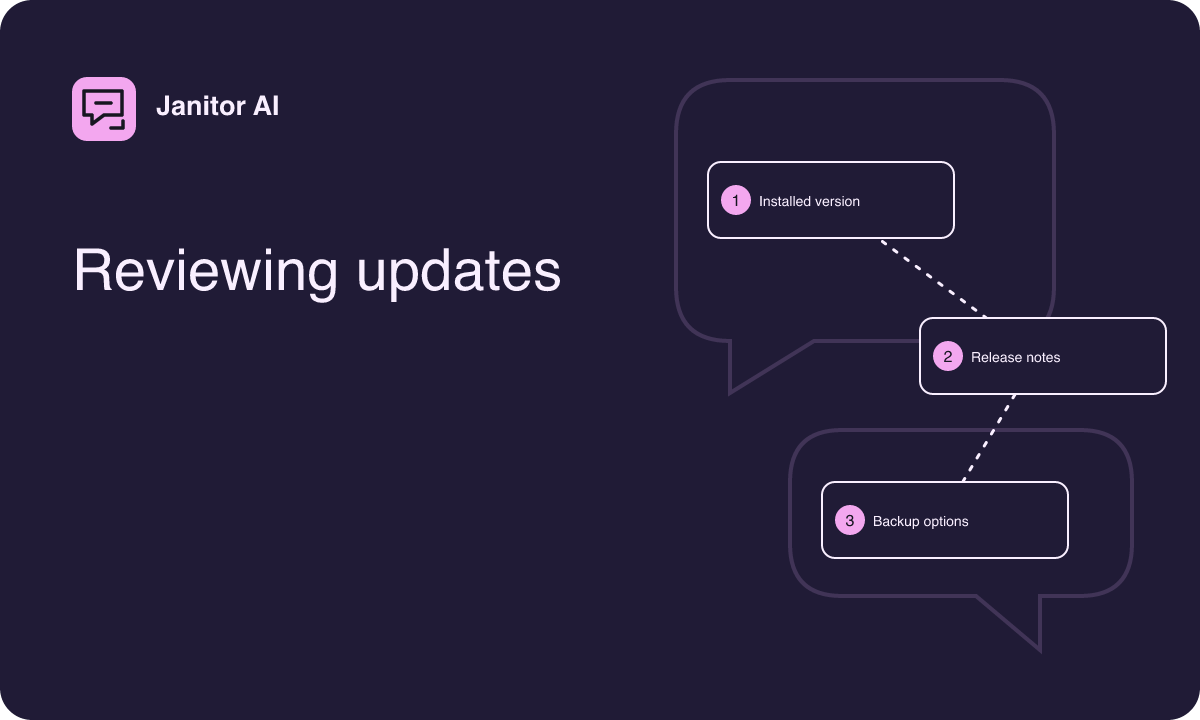
Identify the thing you want to update
If you open a browser tab, determine whether your concern is about the page itself or the browser that renders it. If you launch from an icon, check whether it is a website shortcut or a separately installed app through the device's usual app settings. On a shared computer, ask who manages system updates if browser updates are restricted.
Describe the issue in terms of a feature. A disappearing toolbar is a different starting point from a request for a new character option. If you heard that a new feature is available, find the original announcement and read its platform and availability details. A screenshot passed around a forum can omit whether the feature was for a different device, still being rolled out, or part of a temporary preview.
Read release information from the source
Start from service-maintained materials you can verify. Look for a dated announcement, a help article that describes the feature, or a listing the service directly references. Check whether the material identifies the relevant platform and whether it provides instructions or simply describes a change. Avoid inferring availability from a large version number in a search snippet.
When you compare two sources, keep their publication dates and scope in view. A new phone package title can appear beside an older service note that is about the website. Those dates tell you little until you know that both items describe the same product and distribution route. If confirmed information is limited, record the question as open and use the version or route you can currently identify.
Check an installed app through its own channel
- Open the app entry in system settings and note the version if the system displays one.
- Return to the authorized store or distributor you previously verified for that installation.
- Check whether it offers an update for your device and review any notes or permission changes it provides.
- Use the normal update mechanism for that source if an update is available and appropriate.
- Reopen the app and check the particular action that prompted the update.
Some devices receive updates at different times or are limited by their operating system. If a verified store shows only an option to open, it may mean that there is no newer build offered to that device through that listing at that moment. Record what the store actually displays and avoid replacing the app with a similarly named file simply to get a different version label.
Check changes to browser access
A web service can change what it serves without placing a numbered installer on your device. Start by revisiting the verified page in your usual supported browser. Reload the page after saving any unsent text you want to retain. If a noticeable change appears, compare what you see with the service's own description and check the specific action it mentions.
Browser updates are a separate matter. Open the browser's ordinary update information and check whether it needs a restart. If you use more than one device, make sure you compare the same feature using compatible browsers and the same kind of page. A phone can hide a control in a menu that is visible in a desktop toolbar. Device layout explains some differences that initially look like release discrepancies.
Plan a small before-and-after check
Pick a routine action such as opening a character page, typing a two-line sample, or reading the latest reply. For instance, if you value keyboard navigation, record where focus goes after sending a harmless prompt. After an authorized update, repeat roughly the same steps using the same browser zoom or accessibility settings. This helps you determine whether the experience you care about has actually changed.
Keep local data needs in view before you take action. If the service or app documents how conversations and settings are stored, check it before removing software or clearing browser data. Text left in an unsent composer can disappear on reload. For anything you need to compare, use an invented sample whose loss does not matter. Avoid copying real chats into third-party troubleshooting pages.
Describe a change clearly if it causes trouble
A good report names the access route, the device type, and the step that changed. Include the approximate time with time zone, the version if shown, and the visible error in your own words or in a carefully reviewed excerpt. If a new control is missing, say where you checked for it and whether the service announcement applies to your device. Avoid screenshots with private prompts, hidden tabs, or notification previews in the frame.
If your phone starts asking for a new permission after an official update, check when it appears. A request immediately after selecting a documented optional feature has different context from a request on every launch. You can decline optional prompts and review the feature documentation or app settings before deciding.
Decide when to check again
Frequent searches for a latest build can make it easy to confuse rumors with distribution changes. You can check again when a feature you need is announced, when a recognized route offers a notice, or when a relevant device update changes how the interface works. Save the release information you relied on as a bookmark so you can see its context later. Take note of who issued it and the platform it describes.
For example, if a desktop change is announced and your tablet looks the same, keep using the verified tablet route and check whether the announcement mentions mobile. That simple comparison answers more than a list of version labels gathered from unrelated download pages.
If you help someone else check an update, have them read what their own screen shows. Two stores can offer different builds to different device models, and a managed installation may follow its own schedule. Record the exact menu or listing where the notice appeared. A description of the screen is useful even when no build number is available. It gives you a way to repeat the check after the next documented change.