
How to Check and Install Janitor AI on Android
Independent editorial guidance on compatibility, device settings, safety, and responsible use.
Before installing an Android app, separate the question of who distributes it from the question of whether your phone can run it. Someone searching “Como Baixar e Instalar o Janitor AI APK no Celular Android Passo a Passo” may find several pages with similar buttons and incompatible instructions. Use the steps here to identify an authorized route, anticipate the prompts your phone may show, and keep a usable fallback if you cannot establish where a package came from.
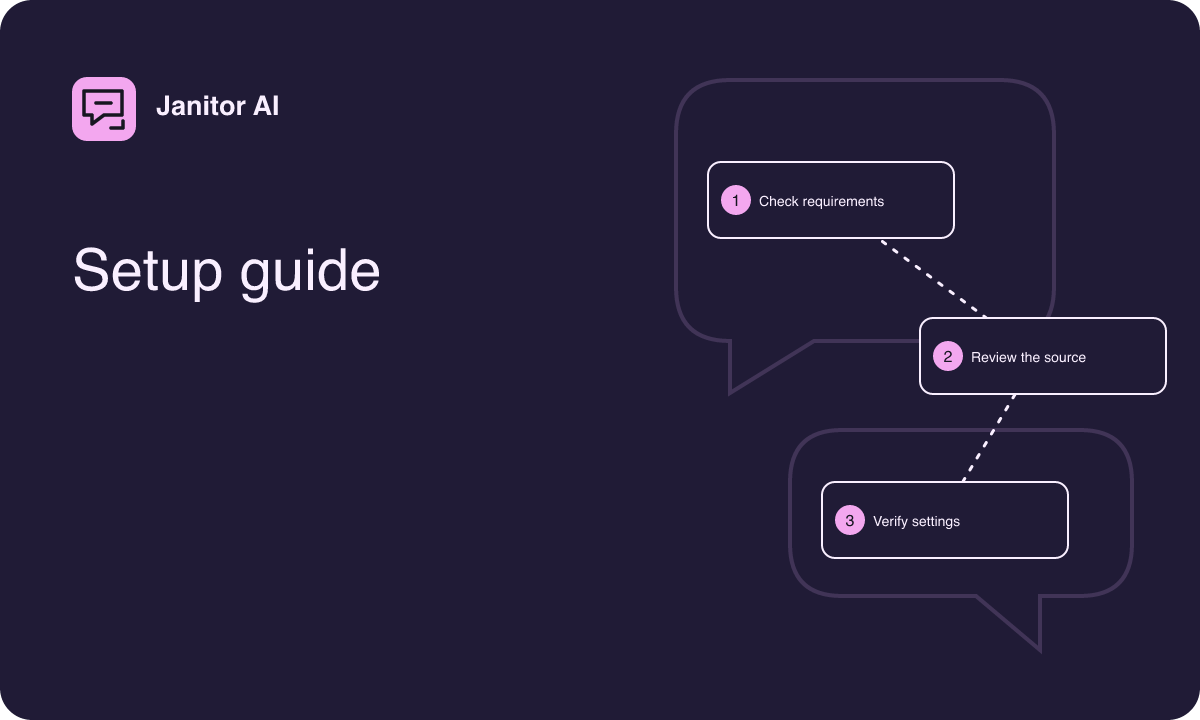
Start with a source you can trace
Open the website or store reference you can independently associate with the service. Check its own help or distribution materials for a mobile app reference. A matching icon, high search placement, or a page address that includes the service name can be copied. A reference from a recognized service channel to a particular listing gives you something more specific to compare.
Store search alone can bring back several unrelated results. Compare the publisher information, the external website shown in the listing, and the service's reference to that listing. Treat redirects through ads and unexpected prompts to download a different app as reasons to pause. If the service provides browser access and you cannot confirm a package source, continue through the verified browser route. You can still check the layout, typing, and navigation without adding a package.
Check your Android device before proceeding
Use the phone's settings to find the model name and Android version. The path varies by maker, so search within settings for the Android version if the device information screen is hard to locate. Compare what you see with the requirements published for the authorized route. If the source gives no compatibility information, you can ask its support channel for clarification without supplying device identifiers.
Look at free storage in system settings and make sure the phone can remain powered while any authorized installation completes. An installer may need room to prepare files in addition to the storage the app eventually uses. On a work or school phone, the device manager may restrict installation or control which apps are available. Leave those controls in place and use an approved device or access route.
Follow the store flow when it is available
- Open the authorized listing through the service reference you have checked.
- Confirm that the selected device is the one on which you intend to use the app, especially if the store interface manages more than one device.
- Review the listed compatibility information and the data or permissions disclosures that appear for that listing.
- Start installation through the store and wait for it to finish. Open the app from the resulting listing or from your app drawer.
- Check the installed app's name and entry in Android settings. Review the permissions it actually requests during initial use.
If a store marks your device incompatible, save the wording of the message for later diagnosis. Checking a browser route is a more informative next test than trying random packages that claim to support your phone.
Handle a directly distributed APK carefully
Some Android publishers distribute files from their own recognized channels. If you can independently confirm that this is the method the service actually offers, read the publisher's guidance and use only the distribution location it identifies. An Android file browser or web browser may ask whether it can install apps from that source. This setting grants installation authority to the requesting app, so look at the name Android displays before acting.
Keep built-in security checks enabled. Stop if the device warns that the file is unsafe, if the prompts differ from the documented flow, or if the publisher details do not match. When a permitted installation is complete, return to the relevant settings screen and switch off any installation permission you temporarily enabled for that source. If the downloaded installer is no longer needed, it can be removed from Downloads after you have confirmed the app opens.
Review the first launch
Open the app and try a small, ordinary action such as reading the landing screen or typing a fictional sample where available. See whether the interface remains readable at your preferred system font size. If a prompt requests microphone access, check whether it appeared after you selected a documented voice feature. Your decision can change later through Android settings if you come to need that feature.
A chat app asking for access to contacts or other sensitive device features deserves a closer look at the publisher's explanation. Decline optional permissions while you are testing with text. Review the installed app's permission settings again after the first session, since some prompts only appear after you open a particular screen. This gives you a more useful picture than relying on the first launch alone.
Diagnose a failed installation
Write down the exact Android message and the stage at which it appeared. A download that never completed, a package the device will not open, and an installed app that closes on launch point to different problems. Check your available storage and restart the device if it has pending system changes or other apps are also behaving erratically.
An update conflict can occur when a package comes from a different distribution source than the version already present. Avoid removing an existing copy simply to see whether the new file works. First review how your local settings or conversations are stored and whether they could be lost. Revisit the originally verified distribution route and check which update method it documents. If you need help, describe the symptom and the route you used.
Keep the fallback easy to find
Try the verified service in a supported browser if the app route remains unresolved. Start with a bookmark and a short sample so you can see what a normal session looks like on your device. If the browser offers a shortcut, confirm it opens the intended destination and can be removed through the usual home screen controls. A clear bookmark name also helps when there are several related pages in your history.
For example, if the store reports incompatibility but the browser makes a sample conversation easy to read and edit, record the store message for later and keep the working bookmark. You will have a usable route and a precise question if Android support becomes important later.