
Copyright Concerns and DMCA Notice
Independent editorial guidance on compatibility, device settings, safety, and responsible use.
Local-review draft for janitoraiapk.com. The phrase “Aviso de Isenção Legal e Notificação DMCA” refers to a disclaimer and DMCA notice. This draft describes how to help a site reviewer locate material and understand a copyright concern. Before publication, confirm the operator's actual role, the available reporting route, and any procedures a local reviewer determines appropriate for the site and its audience.
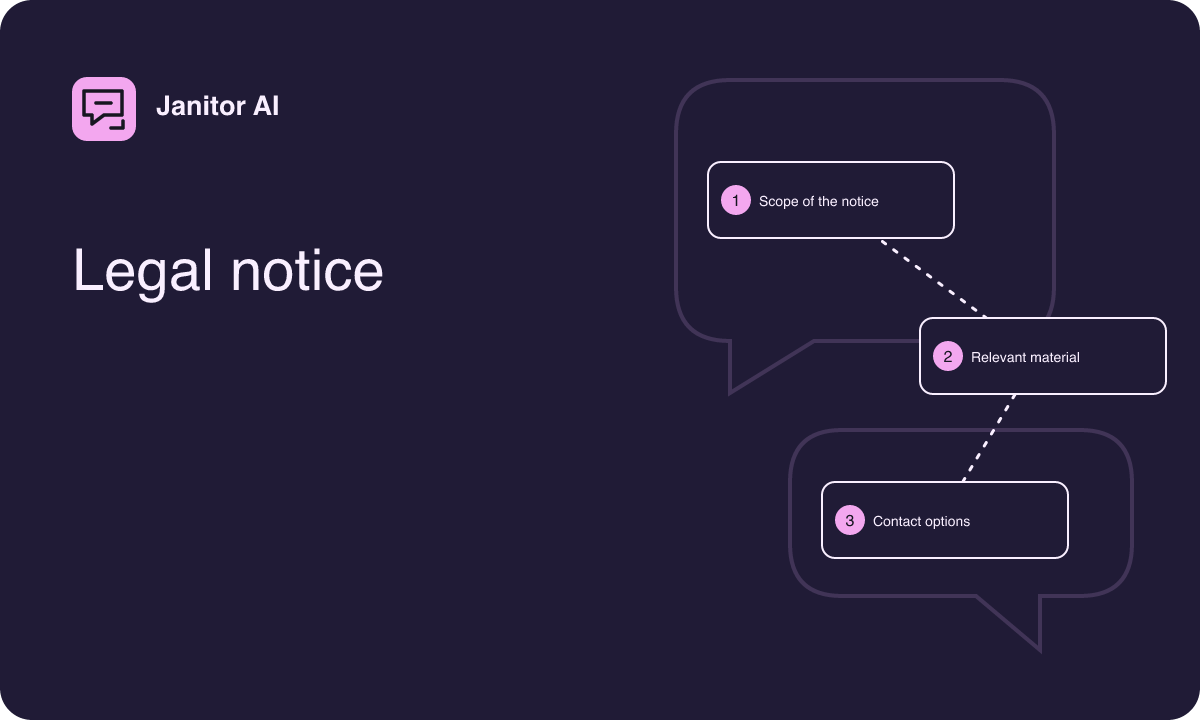
Identify what appears on this site
Start with the page where the material appears. Record the article title, its public address, and a short description of the item. If the item is an image or an excerpt, note the nearby heading or text so a reader can find it. If there are several similar items on a page, describe their location in order and explain which item concerns you. A page can change as articles are revised, so the date you observed it can help.
Distinguish an item displayed on the site from an item hosted by another operator. A reference from an article to a third-party destination is a different situation from a copy published on the page. Explain what you observed at each location in plain words. For example, a reader could identify an excerpt visible below a particular heading without drawing a conclusion about who controls a different page that the article mentions.
Explain the work and the concern
Describe the original work in enough detail for someone unfamiliar with it to recognize it. A title, the type of work, and an authorized public reference, if available, may help. If the work has several editions, identify the one relevant to the concern. Avoid sending an entire unpublished manuscript simply to identify a short passage. Start with the smallest amount of material needed to explain the issue.
State how the material on the page relates to the original work. For instance, two images could depict the same subject without being the same photograph. A useful description points to specific elements you can identify, such as composition and a distinctive crop. Keep observed details separate from assumptions about how the image reached the page. A reviewer can then focus on the material you identified and ask about any missing context through the approved process.
Prepare a focused summary for review
- Identify the public page and the content you want the site to examine.
- Describe the original work and provide a public reference when helpful and appropriate.
- Explain the relationship between the identified content and the work using the details you observed.
- Say whether you are asking about attribution, permission, removal, or another concern.
- Use the verified procedure for any formal notice and follow the requirements published for that procedure once they have been confirmed.
A reader might report that the caption below a particular photograph refers to the wrong creator. That initial question can describe the caption and point to an authorized public source that shows the correct credit. A person seeking a different review should describe the issue they want addressed so the operator can identify the appropriate process.
Distinguish an informal question from a formal procedure
An editorial correction and a formal copyright notice can have different intended effects. This draft gives readers a way to describe a concern and locate the item. The site operator and local reviewer should determine what formal procedure applies, what information must be included, and how to route communications before publishing instructions about it. Verify the operational route and the person or organization responsible for reviewing it.
If the reviewer determines that the site should publish procedures for responses or further submissions, explain where those procedures can be found and which situations they apply to. Use the wording approved for the site's actual role. Keep formal requirements tied to the verified process, including any instructions about the kinds of information necessary to evaluate a notice. Claims about deadlines or outcomes require a confirmed basis.
Review how incoming material would be handled
Before publishing a reporting route, determine who can see submissions, where they are stored, and how they are forwarded when additional review is needed. Review that handling alongside the privacy notice. An initial report should be easy to understand without a large attachment, especially when the important part is a public page reference and the location of the item. If a formal process needs supporting documents, confirm how the process receives them.
Consider what the reviewer needs to find the material and create an accurate internal record. Preserve relevant context according to the approved process if a page is edited while a concern is being considered. For example, noting the heading and date a visitor supplied may help match an item after a layout change. Keep public communications tied to the information the operator is authorized to disclose.
Check how changes would be described
An editor may find that a caption needs correction independently of any decision about a formal notice. The draft should leave room to make and describe ordinary editorial changes through the site's actual process. Review what a note on an article would say and how it would avoid disclosing unnecessary information about the person who raised the concern. Use clear wording when recording the date and the item affected.
A reviewer should confirm how the operator handles material in different places. If a page references a photograph on an independent site, editing the article's reference and editing the original photograph are actions available to different parties. Any wording about steps taken should identify the page or item within the operator's control. Avoid conclusions about another provider's responsibilities based solely on what appears in a link.
Confirm the publication details locally
Have the site operator verify who is responsible for the notice, which pages and features it covers, and which process is available to members of the public. Ask the local reviewer to check titles, definitions, any required notice elements, and any designation or other details relevant to the applicable procedure. Provide accurate dates and operational instructions only when those items can be confirmed.
Test the final draft with an example drawn from a generic article. A reader should be able to identify a particular caption, describe the concern, and determine where to take it without sending unrelated material. Repeat that check when the site adds a new publishing feature or changes the route for incoming questions.