
Checking Janitor AI Downloader Code Claims
Independent editorial guidance on compatibility, device settings, safety, and responsible use.
A Downloader code is a short reference that an app or service may translate into a destination. A short code leaves little room to see where it leads or who controls the material at that destination. The phrase “Código Downloader do Janitor AI para TV Box e Fire TV Oficial” makes an authorization claim that needs independent evidence. This guide explains what to verify before treating a code as a software source and how to choose a route suitable for your device.
Understand what the number tells you
Someone can post a code in a headline, a video description, or a comment without showing the underlying destination. The number itself does not explain who created the reference, which device it covers, or whether it leads to a page or a file. A popular post can preserve an old reference after the destination has changed. A code that worked for one person also gives no evidence about what your particular device will receive.
You can evaluate the claim without entering the number. Ask where the service documents that distribution method and whether the exact reference appears there. If the only sources repeat the same description, you still need evidence tying the route to the service. An independently identified publication from the service is more useful than screenshots of somebody else's TV.
Look for a supported device route first
Find your device model and software version in settings. A TV box may have an app store or browser that differs from the one on a TV stick. The operating system name by itself gives no guarantee that an interface is designed for its remote. Look for a supported browser route in service materials or for a store listing the service directly references for your exact platform.
If the recognized materials describe only a different device, record what they do cover. For example, tablet instructions can guide a tablet session with touch input, and you can then check whether your devices support sharing the display. That avoids relying on an undocumented remote interface. If no suitable route can be established, leave the code unused while you keep checking the device's normal options.
Ask for evidence with enough context
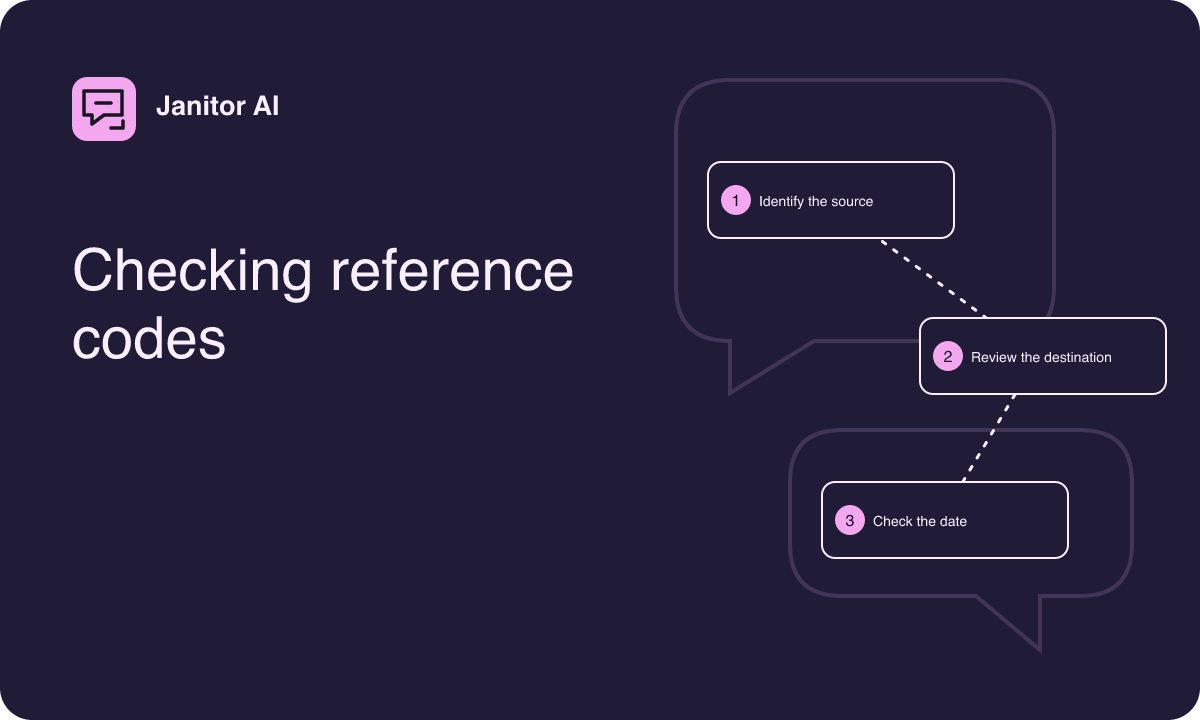
- Identify the service channel you can verify independently.
- Look in its distribution guidance for the device family, access method, and date.
- Check whether the publisher supplies a destination you can review directly through an authorized route.
- Compare the listed platform and update method with the device you actually have.
- If those details are missing, describe the uncertainty in a support question without forwarding the code or opening a download.
The pieces should fit together. A TV compatibility claim has little value if it comes from a third party whose authority is unclear. A source can genuinely describe a tool for transferring files and still say nothing about the publisher of the specific file someone shared.
Read the prompts your TV shows
A receiver can switch inputs, open a browser, or show a system prompt while you are navigating with a remote. Pause and read the full prompt before pressing the select button. Look for the name of the app requesting the action and the type of action the device describes. A file download, a new installation permission, and a shortcut to a web page are different decisions. A remote interface can make it easy to accept a prompt while trying to dismiss an overlay.
If you see an unexpected installation prompt, leave it and return to the device's ordinary home screen. If a file was downloaded, use the normal storage interface to identify what was saved and remove an unneeded file. Keep built-in security features and any household controls in place. If a warning appeared, write down its wording so you can ask about it safely.
Choose a practical alternative for a large screen
A phone or tablet with a verified access route may be the easiest way to enter text. Where sender and receiver documentation describe a common sharing method, use a fictional sample to see whether the television works as a reading surface. Confirm the receiver name and that you can stop sharing before opening other material. This can meet a living room need even when there is no TV-specific listing you can verify.
If the television has a supported browser and the service documents web access, test whether the remote can reach the basic navigation controls. Try moving focus through the page, opening a short sample, and leaving with the Back control. A simple test tells you more about daily usability than a promise of a quick installation.
Compare two common situations
Suppose a video says a code is valid for all TV boxes, but provides no recognized publisher material. The useful detail to record is the unsupported device claim. Search the service's own guidance for your model or device family. If you only find a phone route that you can verify, decide whether a supported display connection meets your needs.
In another case, you might find a service announcement that describes a specific listing by name and platform. Open the listing from that announcement and compare the device and publisher information. Review the listing's own installation and update flow. If you later see a new code in a comment, the listing you checked gives you a direct way to revisit the authorized route.
Keep your notes useful over time
Make a short record of the model, the verified material you consulted, and the access method it describes. If a store listing is absent on your device, include the country or store region only if it is relevant to availability. A note such as “The service materials describe phone access, and the TV store shows no linked listing for this model” gives a specific basis for your decision.
When a friend shares a code later, look for new evidence about the publisher and device support before changing anything. If the route you already use is comfortable, a saved bookmark or authorized listing reference is easier to recognize and revisit than a bare number.
If you help someone else with a television, ask them what the screen says before suggesting the next button. They may be looking at a new app's prompt while you are describing the browser. Have them describe the app name and action shown, then return to the normal device menu if the destination is unclear. You can compare the wording with documentation without asking them to repeat the download attempt.